Who's liable when a renovation goes wrong in Ontario?
By Royce Soon · Updated 2026-07-20
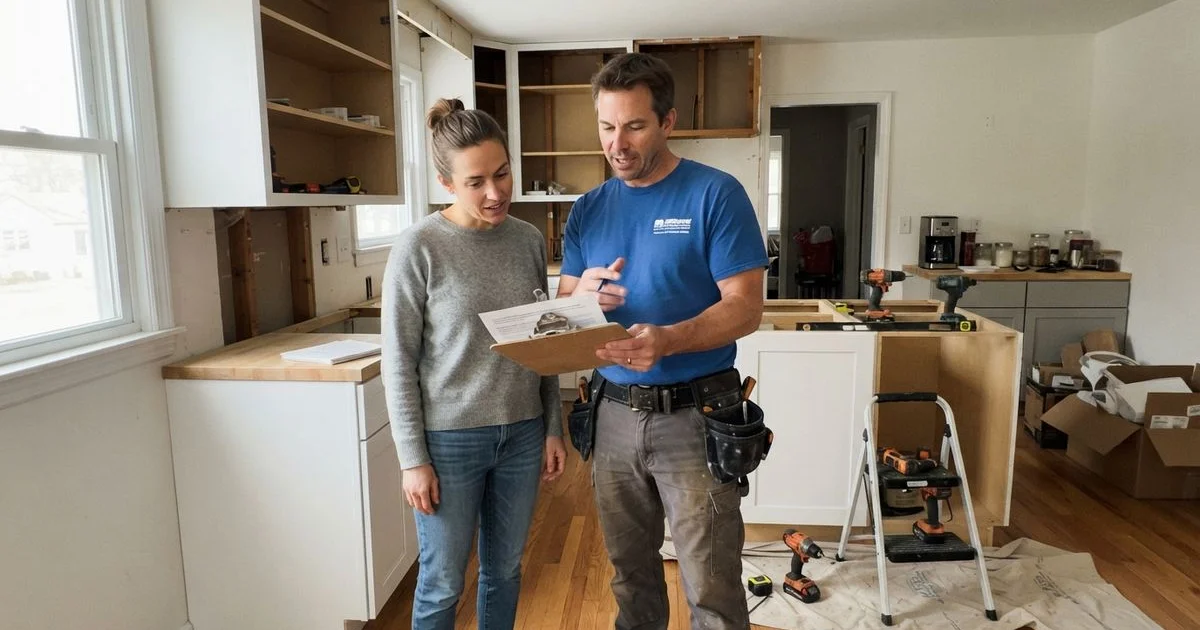
Liability questions tend to come up only after something has already gone wrong, which is exactly the wrong time to figure out who’s covered for what. Getting clear on liability and insurance before signing a contract is one of the simpler ways to protect yourself on a GTA renovation project. This is general information, not legal advice, and a lawyer can review your specific contract if a dispute arises.
The three coverages worth confirming
| Coverage | What it protects against | Who should carry it |
|---|---|---|
| Liability insurance | Damage to your property caused by the contractor’s work | The contractor |
| WSIB coverage | Worker injury on your property | The contractor and subcontractors |
| Warranty on workmanship | Defects that appear after project completion | The contractor |
Ask for proof of all three before signing anything, ideally a certificate of insurance sent directly from the contractor’s insurer or broker rather than a verbal assurance.
If a contractor damages your property
If a plumber’s mistake floods the floor below, or a framer’s error damages a structural element, the contractor’s liability insurance is generally what covers the repair, not your own homeowner’s policy, assuming the contractor is properly insured. This is one of the strongest reasons to confirm coverage upfront: an uninsured contractor’s mistake can leave you filing a claim against your own policy instead, which affects your premiums.
If a worker is injured on site
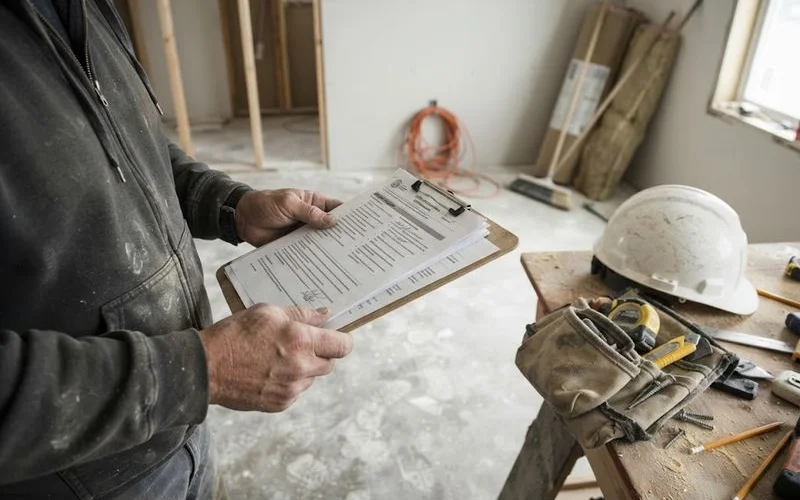
WSIB, Ontario’s workplace safety insurance system, is meant to cover injured workers without the homeowner becoming financially exposed. Problems arise when a contractor or subcontractor isn’t properly registered or current with WSIB. In that scenario, a homeowner can face real liability exposure for an injury that happened on their property. Asking directly whether every trade on the job, not just the general contractor, carries WSIB coverage is a fair and normal question.
What your own homeowner’s policy does and doesn’t cover
Your own home insurance protects your property and belongings, but it isn’t designed to cover a contractor’s mistake if the contractor is properly insured, that’s what their liability policy is for. Where things get complicated is when a contractor is uninsured or underinsured: you may end up filing against your own policy for damage that should have been the contractor’s responsibility, which can affect your premiums going forward even though the mistake wasn’t yours.
What happens in a dispute
If a disagreement arises over whether damage was caused by the renovation work or was pre-existing, having dated photos from before the project started is one of the most useful things a homeowner can have. A brief walkthrough with photos before work begins, covering areas near the renovation zone, gives both sides a clear reference point if a liability question comes up later.
Workmanship warranties
A warranty is different from insurance. It covers defects in the work itself, a leaking shower years after installation, cabinet doors that warp, rather than accidental damage. Get the warranty terms in writing, including how long it lasts and what process you’d follow to make a claim under it. For the full list of terms worth locking in before you sign, see what to put in writing before you sign a renovation contract in Ontario.
A note on subcontractors specifically
A general contractor is typically responsible for the work and conduct of any subcontractors they bring onto your project, but it’s still reasonable to ask which parts of the work will be subcontracted and whether those specific trades carry their own coverage. This matters most for specialized work like electrical or plumbing, where a subcontractor’s mistake can be significant and where coverage gaps are more likely if the general contractor hasn’t vetted them carefully.
Red flags worth taking seriously
A contractor who’s reluctant to provide proof of insurance, who asks you to pay workers directly in cash, or who can’t clearly answer whether subcontractors carry their own WSIB coverage are all signs worth pausing on. None of these guarantee a problem, but together they raise the odds that liability would fall back on you if something did go wrong.
Contractors listed in this directory are scored in part on documentation and accountability practices, which our methodology covers in more detail. Compare vetted, insured contractors across the GTA on our homepage.
A five-minute insurance verification before signing is a small step. The alternative, discovering a gap in coverage after an incident, is a much more expensive one.
FAQ
- What is WSIB and why does it matter for my renovation?
- WSIB is Ontario's workplace safety insurance system. If a worker without WSIB coverage is injured on your property, you as the homeowner could face liability exposure that a properly covered contractor would otherwise carry.
- Am I liable if a subcontractor gets hurt at my house?
- Potentially, if the general contractor or subcontractor doesn't carry proper WSIB and liability coverage. This is exactly why confirming coverage before work starts matters, not after an incident.
- What does a contractor's liability insurance actually cover?
- Typically, damage the contractor's work causes to your property beyond the renovation itself, such as a flooded floor below from a plumbing mistake, though exact coverage varies by policy.
- How do I verify a contractor's insurance is real and current?
- Ask for a certificate of insurance directly from their insurer or broker, not just a claim that they're covered, and confirm the policy is active for the dates of your project.