Custom Carpentry & Finishing in Greater Toronto Area
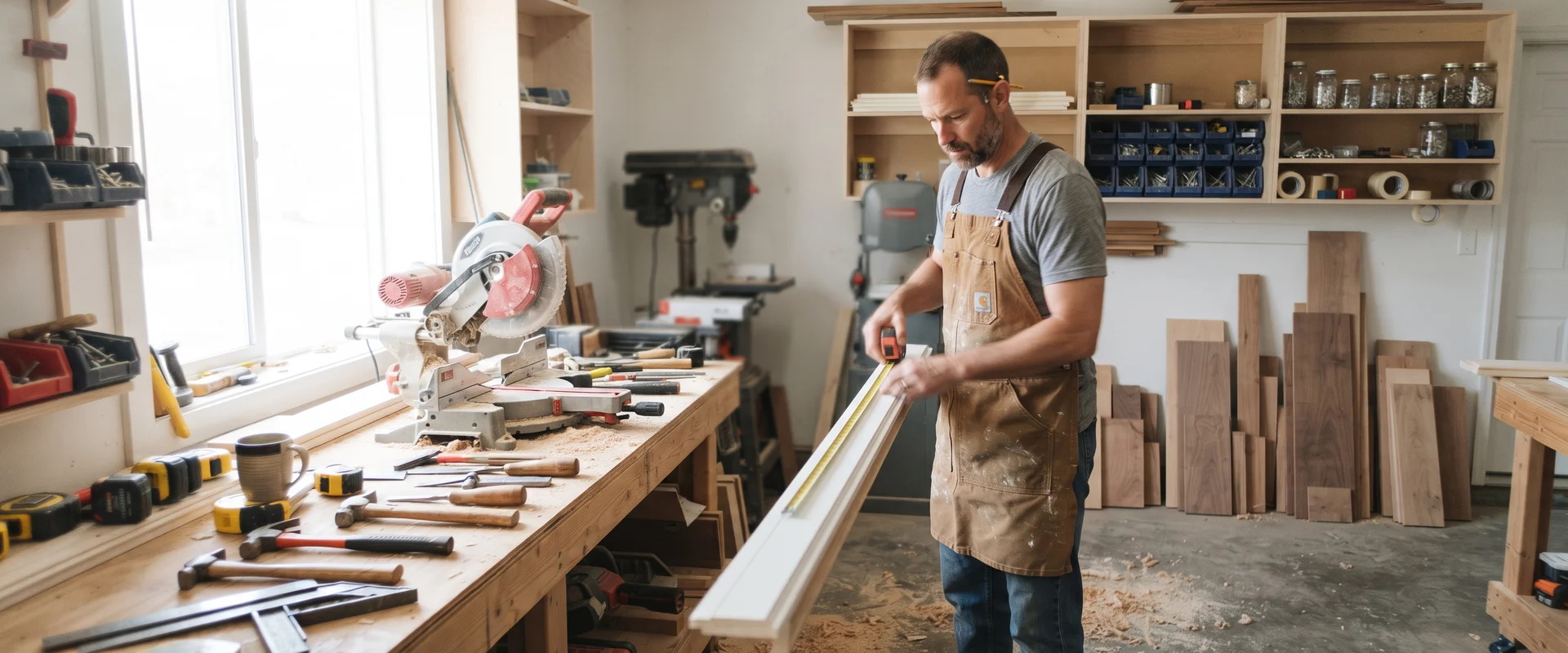
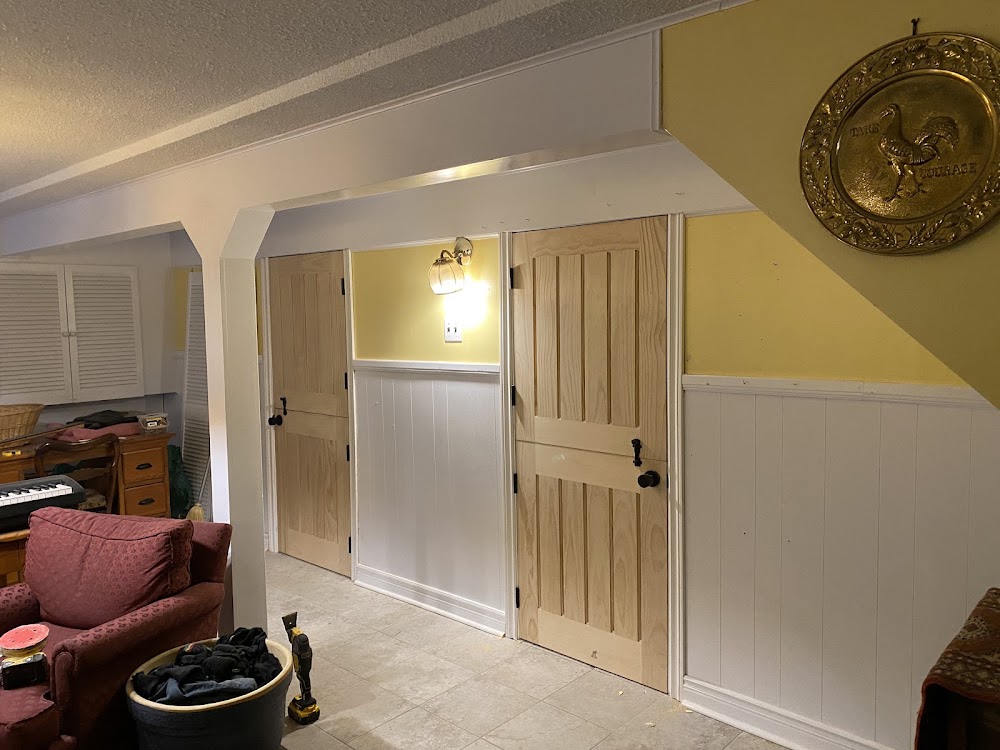
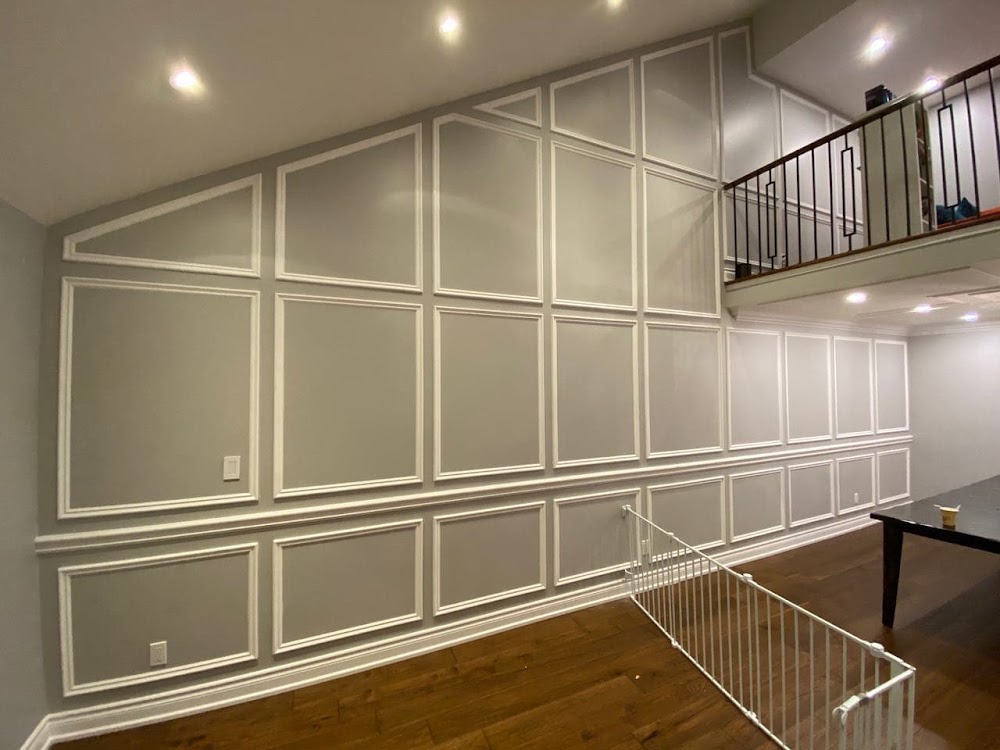
Custom carpentry and finishing covers the woodwork that turns a plain room into a finished one: built-in shelving and window seats, wainscoting and wall panelling, crown moulding and baseboards, custom closets, stair parts (treads, risers, railings, spindles), interior doors and casings, kitchen and bathroom millwork, and site-built cabinetry that off-the-shelf products can't match. It's a different trade than framing carpentry: the work happens after drywall is up, tolerances are tight (fractions of an inch show), and the finish, whether stain-grade wood or painted MDF, has to hold up for decades. In the GTA, this category runs from solo finish carpenters doing trim packages to small millwork shops building whole libraries and mudroom systems.
Because there's no license specific to "finish carpenter" in Ontario, quality varies a lot between the 61 businesses listed here. When you're screening candidates, ask to see photos of joinery up close, not just wide shots of a finished room. Tight mitres, flush reveals, and consistent caulk lines separate a good carpenter from someone who's fast but sloppy. Ask whether they build in a shop or on-site, how they handle wood movement and seasonal gaps, and whether the quote includes materials, finishing (paint or stain), and cleanup. Get a firm scope in writing: linear footage of trim, species and grade of wood, hardware allowances, and who primes or paints. A carpenter who asks about your home's humidity levels and existing trim profiles before quoting is usually paying attention to detail, not just price.
Our scoring weighs verified customer feedback, how consistently a business responds to and completes jobs, and signals of real project history rather than just star counts. For a shortlist of the strongest performers in this category, see our ranked guide to custom carpentry and finishing in the GTA. If you want to know exactly how we calculate rankings and what we check before listing a business, read our methodology.
Get matched with custom carpentry & finishing
No cost, no obligation. Tell us about your project and we'll connect you with contractors who fit your needs.
All custom carpentry & finishing, ranked by score and relevance
We found 139 businesses offering custom carpentry & finishing; 22 met the criteria for the scored directory. The order weighs each business's overall score by how much of its reviewed work is custom carpentry & finishing, so a lower-scored specialist can rank above a higher-scored generalist. Filter and sort below, or open the full map view.
Enquiries from our contact forms may go to partner providers who can do the work, and we may receive a referral fee. Our rankings are based on our published scoring method only and are never affected by referral fees.
Common questions about custom carpentry & finishing
- How much does custom carpentry cost in the GTA?
- It depends heavily on scope. Basic baseboard and casing swaps in a single room might run a few hundred dollars per room in labour alone, while a full trim package (crown, baseboard, casing) for a whole house can run into the tens of thousands. Built-ins and custom millwork are usually priced by linear foot plus materials, and stain-grade hardwood costs noticeably more than paint-grade MDF or poplar. Always get a written quote that separates material, labour, and finishing costs so you can compare apples to apples.
- How often does trim or built-in millwork need to be redone?
- Well-installed trim and cabinetry can last the life of the house; it's not a wear item like flooring or appliances. What usually triggers a redo is a renovation (opening up a wall, changing a layout), damage from water or settling, or simply wanting to update dated profiles and finishes. Painted trim may need touch-ups or a repaint every 5-10 years depending on wear.
- What should I expect during a custom carpentry project?
- Expect an in-home measure and consultation first, then a detailed quote with drawings or a materials list for anything custom-built. Work usually happens after drywall, painting prep, and flooring are roughed in but before final paint, since trim is typically caulked and painted in place. For built-ins, ask whether pieces are built in a shop and installed, or built entirely on-site, since that affects both lead time and how seamless the fit looks against uneven walls.
- How can I judge the quality of a carpenter's work before hiring?
- Look closely at mitre joints (corners should be tight with no visible gaps), how flush panels sit against walls, and whether reveals and margins around doors and drawers are even. Ask for addresses or photos of past projects you can see in person if possible, not just staged photos. A carpenter who explains how they'll handle wood movement, humidity, and matching existing trim profiles is generally more experienced than one who just quotes a price.