Which renovations actually add resale value in the GTA
By Royce Soon · Updated 2026-08-03
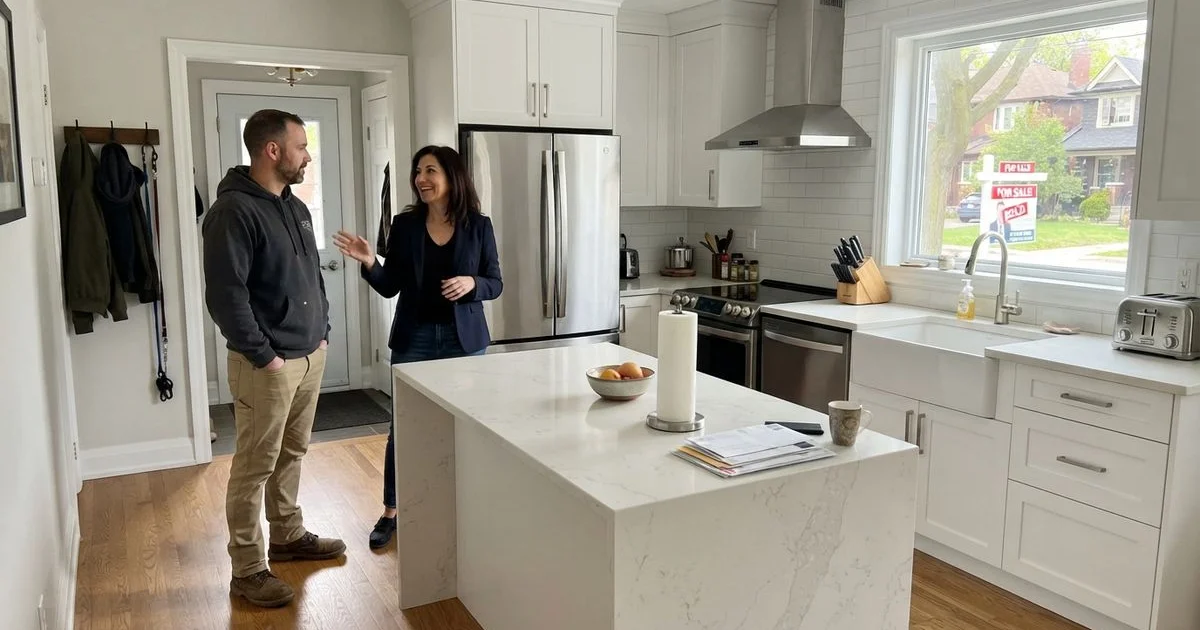
Not every renovation dollar comes back at resale, and the ones that do vary by project type and how well the finished work matches what buyers in your specific GTA neighbourhood expect. Here’s how the major project categories tend to compare, and where a well-intentioned renovation ends up being more of a personal investment than a resale strategy.
Renovations that tend to hold up best at resale
| Project | Why it tends to perform well |
|---|---|
| Kitchen refresh or renovation | Buyers weigh the kitchen heavily; a dated one is a common negotiation point |
| Bathroom renovation | Similar effect, especially the primary bathroom |
| Finished basement | Adds usable square footage, a strong value driver in the GTA market |
| Fresh paint and flooring | Low cost relative to the visual impact on buyers |
| Curb appeal updates | First impression affects how buyers assess the whole home |
Renovations that mostly benefit you, not resale
Highly personalized or luxury-tier finishes, a home theatre, a wine cellar, an extremely high-end custom kitchen in a neighbourhood of moderately priced homes, tend to return a smaller share of their cost. This isn’t because the work isn’t good, it’s because buyers are comparing your home to others in the same price bracket and area, and an outsized finish level doesn’t necessarily move the sale price proportionally.

Matching finish level to the neighbourhood
A renovation that matches or slightly exceeds the standard for comparable homes nearby tends to perform best. Going meaningfully above that standard, custom millwork and premium appliances in an area where most comparable sales don’t have them, is more likely to become a personal investment than a resale return. A kitchen renovation is a good example: mid-range finishes tend to align well with buyer expectations across most GTA neighbourhoods, while high-end finishes are worth it mainly if you plan to live with them for years, not sell shortly after.
Getting a second opinion before spending
A real estate agent familiar with your specific street or building type can often give a more grounded read on what buyers are actually paying attention to right now than a general rule of thumb. What performs well shifts over time and by micro-market, an open-concept main floor might matter more in one neighbourhood than another, so a local, current opinion is worth the conversation before committing to a larger project purely for resale purposes.
Timing a renovation around a sale
If you’re renovating specifically to sell soon, smaller, faster projects, fresh paint in neutral tones, updated lighting fixtures, fixing any visible deferred maintenance, tend to make more practical sense than a large-scale renovation. A major renovation started shortly before listing carries real risk of running past your intended sale timeline, and the market conditions when you eventually do list may have shifted from when you started planning.
Renovate for yourself first, resale second
If you’re planning to stay in the home for years before selling, it’s reasonable to prioritize what you’ll actually enjoy living with over what a hypothetical future buyer might prefer. The calculation shifts meaningfully if you know you’re selling within the next year or two, in which case leaning toward broadly appealing, moderate choices tends to be the more financially sound approach.
Comparable sales matter more than the renovation itself
An appraiser and most buyers ultimately compare your home to recent, similar sales nearby, not to the renovation budget you put into it. A home renovated well above what comparable sales in the area support can struggle to fully capture that investment at resale, regardless of how good the work is, simply because the market ceiling for that street or building type hasn’t moved with it.
What not to skip
Deferred maintenance, a leaking faucet, a cracked tile, peeling paint, sends a signal to buyers that other, less visible parts of the home might also be neglected. Addressing these small, low-cost issues before listing often has a disproportionately positive effect on how buyers perceive the home, well beyond their actual repair cost.
Basement moisture is a bigger red flag than most deferred maintenance, since buyers read it as an ongoing risk rather than a cosmetic fix. Getting your basement ready before a GTA winter helps catch drainage issues before they show up on a buyer’s inspection.
Our methodology explains how we score contractors on workmanship quality, which matters here since a rushed pre-sale renovation done poorly can hurt more than it helps. Visit Toronto Renovation Guide to compare vetted renovation contractors across the GTA.
The renovations that add resale value tend to be the ones that fix a genuine weak point, not the ones that add the most visible luxury. Know which category your project falls into before deciding how much to spend.
FAQ
- Does a kitchen renovation always pay for itself at resale?
- Not dollar for dollar, but a dated or poorly functioning kitchen is one of the most common reasons buyers negotiate a lower price, so a reasonable, well-executed kitchen update tends to protect value even if it doesn't fully return its cost.
- Is a basement renovation worth it before selling?
- Finishing a basement can add meaningful usable square footage, which buyers value, especially if it includes a bathroom or separate entrance. The return tends to be stronger when the finish level matches the rest of the home rather than exceeding it.
- Should I renovate right before listing my house?
- Smaller, high-impact updates, like fresh paint, updated lighting, and fixing visible deferred maintenance, tend to make more sense right before a sale than a large-scale renovation that may not be recouped in the time before closing.
- Do over-the-top luxury finishes help at resale?
- Usually not proportionally. Finishes far above the standard for the neighbourhood often don't return their full cost, since buyers are comparing your home to others in the same price range and area.