Water damage emergency: what to do in the first 24 hours
By Royce Soon · Updated 2026-07-22
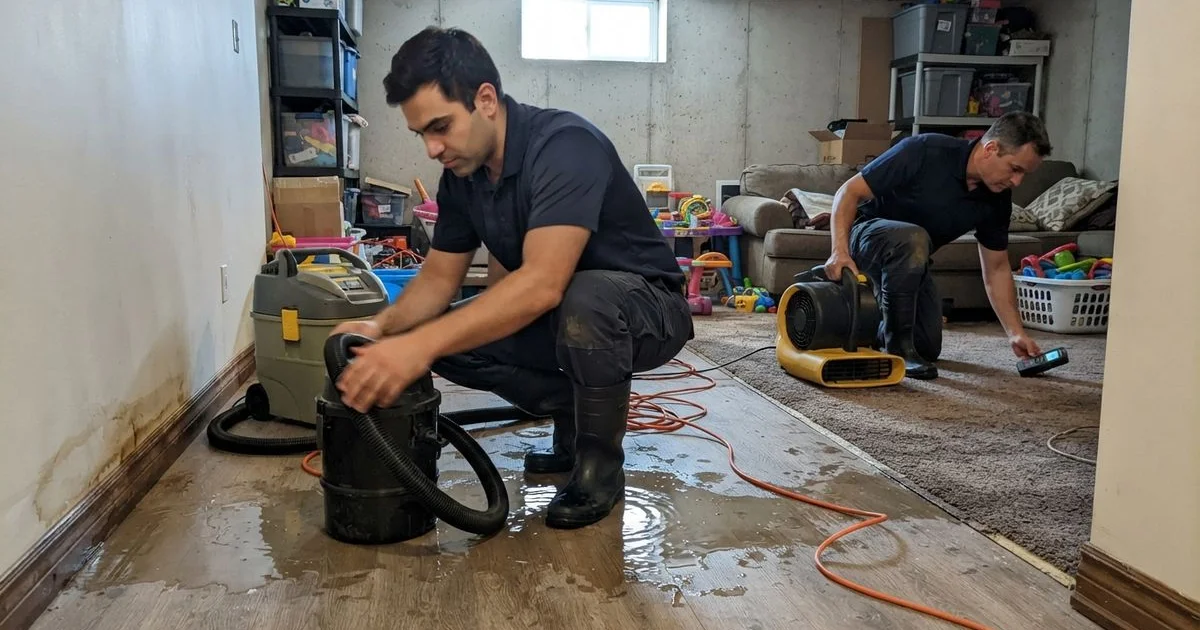
The first few hours after a burst pipe or basement flood decide how much of the damage becomes permanent. Acting in the right order, safety first, then containment, then documentation, makes a real difference to both the outcome and the cost. This is general safety information, not a substitute for professional guidance in your specific situation.
The first hour, in order
- Stop the water source. Shut off the main water valve if it’s a plumbing failure, or move anything you can safely relocate away from rising water.
- Cut power to affected areas. If standing water is anywhere near outlets, a panel, or wiring, shut off power at the breaker if it’s safe to reach. If it isn’t safe, leave the building and call an electrician or your utility.
- Get people and pets clear of standing water, especially anywhere electrical risk is present.
- Start documenting. Photos and video of the water, the source, and affected belongings, before you move or discard anything.
| Time since the water event | Priority action |
|---|---|
| 0–1 hour | Stop the source, cut power if unsafe, get people clear |
| 1–6 hours | Document damage, call your insurer, begin removing standing water |
| 6–24 hours | Start drying affected areas, move damaged items, avoid trapping moisture |
| 24–48 hours | Mould risk rises quickly if materials are still wet |
Why speed matters
Mould can begin developing within a day or two in damp conditions, and drywall, subfloor, and insulation that stay wet for more than 48 hours are far more likely to need full replacement rather than drying and repair. Every hour spent deciding what to do is an hour those materials keep absorbing water.
What to do while waiting for help
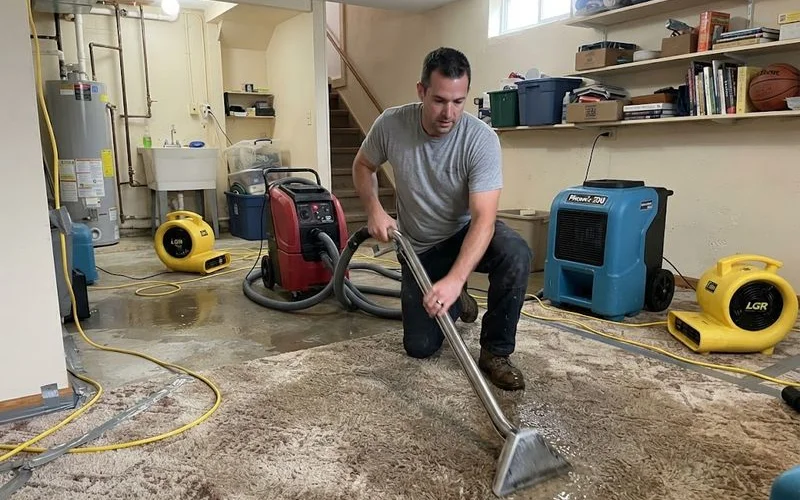
Remove valuables and furniture from standing water where it’s safe to do so. Prop up wet furniture legs on foil or blocks to prevent staining and further damage. Avoid running a household vacuum on standing water, it’s not designed for it and creates an electrical hazard. If carpet or drywall has been soaked for an extended period, resist the urge to immediately start tearing it out before documenting the damage for insurance purposes.
What not to do
Don’t run a household vacuum on standing water, it isn’t built for it and creates a real electrical hazard. Don’t wait to see if a small amount of water “just dries out on its own” if it’s touching drywall, carpet, or a finished basement floor, since the materials most likely to trap moisture are exactly the ones already in the affected space. And don’t discard damaged materials before documenting them, even if they seem obviously ruined, since your insurer may want to see them.
After the immediate emergency
Once water is stopped and extracted, drying takes longer than most people expect, often several days with industrial fans and dehumidifiers running continuously. Resist the urge to close up walls or lay new flooring before moisture readings confirm the space is actually dry, since sealing in residual moisture is one of the most common causes of mould developing weeks after a water event seemed resolved.
Know your shutoff before you need it
The single most useful thing any GTA homeowner can do before an emergency happens is find and test the main water shutoff valve now, not during a flood. Label it clearly and make sure everyone in the household knows where it is and how to turn it, since a burst pipe rarely waits for the most convenient moment to happen, and every minute spent searching for the valve is a minute of additional water damage.
Preventing the next one
A lot of GTA basement flooding is seasonal rather than a one-off surprise. Getting your basement ready before a GTA winter covers the drainage checks that head off many of these emergencies before they start.
Calling a restoration company
Once the immediate safety steps are handled, a restoration company can begin water extraction and structural drying, which is time-sensitive work best left to equipment and expertise most homeowners don’t have on hand. A company connected to our water damage restoration category should be able to respond quickly and document moisture levels throughout the drying process for your insurance claim.
See our methodology for how emergency response contractors are vetted and scored in this directory, and visit our homepage to find help fast.
The goal in the first 24 hours isn’t to fix everything, it’s to stop the damage from getting worse while help is on the way.
FAQ
- Should I turn off the water main during a burst pipe?
- Yes, immediately, if it's safe to reach. Knowing where your main shutoff valve is before an emergency happens saves critical minutes when it actually does.
- Is it safe to stay in a flooded basement?
- Not if standing water is anywhere near electrical outlets, panels, or wiring. Shut off power to the affected area at the breaker if you can do so safely, or leave that step to a professional.
- How fast does mould start growing after water damage?
- Mould can begin developing within 24 to 48 hours in damp conditions, which is why speed in the first day matters more than most homeowners expect.
- Should I call my insurer before or after cleanup starts?
- Call as soon as it's safe to do so, ideally before major cleanup, since many policies require prompt notification and some prefer to guide the restoration process from the start.
Related on this site
- Browse water damage restoration service providers
- Best water damage restoration service in Greater Toronto Area →
- Does home insurance cover water damage in Ontario?
- Mould after water damage: health risks and when to call a pro
- Getting your basement ready before a GTA winter
- Which renovations actually add resale value in the GTA
- All guides →