Staying safe during a basement waterproofing project
By Royce Soon · Updated 2026-07-29
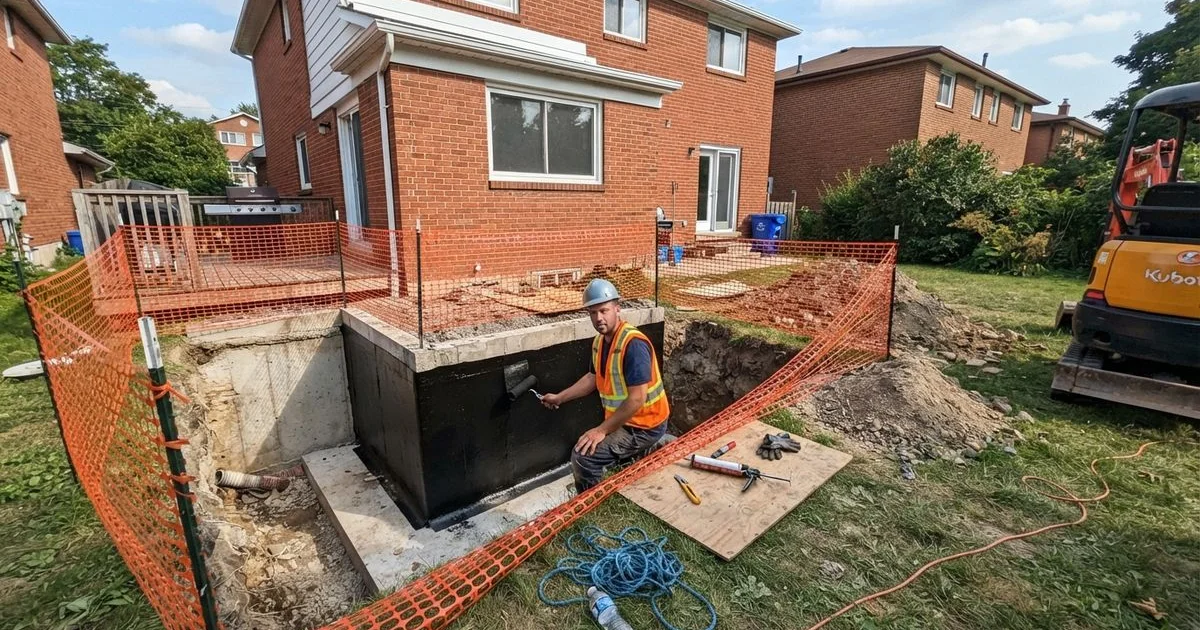
Basement waterproofing solves a real problem, but the work itself involves genuine hazards that a responsible contractor manages deliberately rather than as an afterthought. Knowing what those hazards are helps you evaluate whether a contractor’s process is actually careful or just fast. This is general safety information, not a substitute for a contractor’s specific site assessment.
Waterproofing demand is high across the GTA precisely because so many basements in this region deal with groundwater pressure at some point, which means there’s no shortage of experienced contractors, but also no shortage of crews cutting corners on a busy schedule. Knowing what careful work looks like helps you tell the two apart.
Interior vs exterior waterproofing risks
| Method | Main hazards | Who’s exposed |
|---|---|---|
| Interior (drainage, sump system) | Dust, confined space work, minor structural cutting | Workers, household air quality |
| Exterior (excavation, membrane) | Excavation collapse, utility strikes, equipment near foundation | Workers, foundation stability |
| Underpinning | Structural risk from working beneath footings | Workers, structural integrity of home |
Interior work generally poses lower structural risk since it doesn’t involve digging next to the foundation, but it still requires proper dust control, especially if concrete is being cut for a new drainage channel.
What responsible exterior excavation looks like
Before any digging near a foundation, a contractor should confirm utility locates, since striking a gas or electrical line is a real and preventable risk. Excavated trenches near a foundation should be properly shored or sloped to prevent collapse, and equipment should be positioned to avoid undue load on the soil right next to the foundation wall. If a contractor seems to be skipping the utility locate step or rushing the excavation sequence, that’s worth raising before work continues.
Underpinning: a higher-risk category
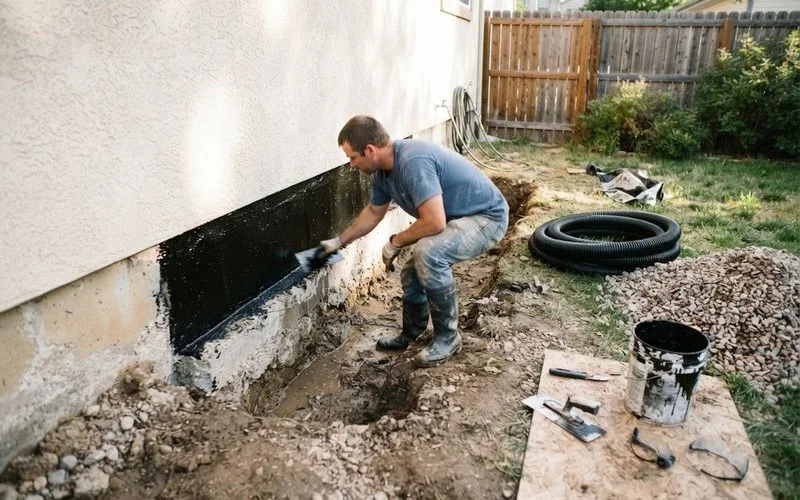
Underpinning, extending foundation footings deeper to lower a basement floor, involves working directly beneath load-bearing structure, section by section, in a carefully sequenced order. It carries meaningfully more structural risk than surface waterproofing and should only be handled by a contractor with specific underpinning experience, not a general waterproofing crew taking it on for the first time. Ask directly about a contractor’s underpinning track record if this is part of your project.
Weather and seasonal timing
Exterior excavation is generally scheduled outside of the deep freeze of winter, since frozen ground is far harder to dig and can complicate proper backfill and compaction once the membrane is installed. Most GTA waterproofing contractors book exterior work for spring through fall, which is part of why scheduling ahead, rather than waiting until a basement is already flooding, tends to get better contractor availability and more careful sequencing of the work.
Health and comfort during interior work
Concrete cutting for a new interior drainage system produces dust and noise. A contractor should use dust containment methods, and anyone in the household with respiratory sensitivities should consider staying elsewhere during the most disruptive days, particularly the concrete-cutting phase.
Waterproofing isn’t the only place older GTA homes hide hazards. If the house predates the 1990s, renovation hazards in older GTA homes covers what else is worth checking before walls near the foundation get opened up.
Access and site conditions during the project
Exterior waterproofing usually means equipment, materials, and an excavated trench occupying a strip of your yard along the affected wall for the duration of the work. Fencing, garden beds, or a walkway close to the foundation may need to be temporarily removed or worked around, so it’s worth asking early what the contractor expects to disturb and whether restoration of landscaping is included in the quote or billed separately.
What to ask before hiring
Ask how the contractor handles utility locates for exterior work, what their underpinning experience looks like if that’s part of the project, and how they manage dust and containment for interior work. A contractor who answers these specifically, rather than with a general reassurance, is usually the one taking the process seriously.
Waterproofing contractors in our waterproofing service category are scored in part on documented safety and process practices, which our methodology explains. Visit our homepage to compare vetted waterproofing contractors across the GTA.
Waterproofing work is routine for an experienced crew, but the routine only stays safe when each of these steps gets the attention it needs.
FAQ
- Is exterior waterproofing dangerous for my house's foundation?
- Not when done properly. Excavation near a foundation carries real risk if not shored and sequenced correctly, which is why it should only be done by an experienced contractor familiar with local soil conditions.
- Can I stay in my home during interior waterproofing work?
- Usually yes, since interior work is typically contained to the basement, though dust control and ventilation matter, especially if anyone in the household has respiratory sensitivities.
- What is underpinning and is it riskier than standard waterproofing?
- Underpinning extends foundation footings deeper to lower a basement floor, and it carries more structural risk than surface waterproofing since it involves working directly beneath load-bearing footings. It should only be done by a contractor experienced specifically in underpinning.
- Do I need to leave the house during exterior excavation?
- Not typically, but expect noise, vibration, and equipment access around your property for the duration, and ask your contractor about utility locates before any digging starts.