Mould after water damage: health risks and when to call a pro
By Royce Soon · Updated 2026-07-27
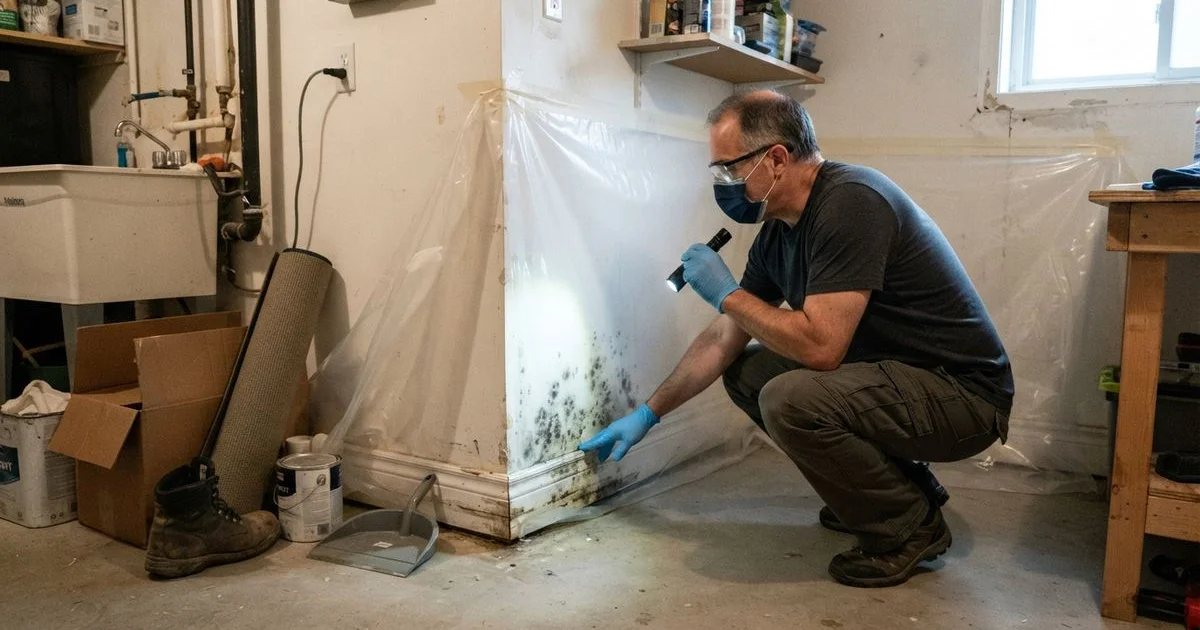
Mould after a flood or leak isn’t just a cosmetic problem. It’s one of the more common health concerns tied to water damage in GTA homes, and how quickly the underlying moisture gets addressed has a real effect on how much of a problem it becomes. If you’re still in the middle of an active flood or leak, the first 24 hours matter most for keeping mould from taking hold at all. This is general health and safety information, not medical advice, and anyone with ongoing symptoms should speak with a healthcare provider.
Why mould shows up after water damage
Mould spores are present in virtually all indoor and outdoor environments, they only become a problem when moisture and a food source, like drywall paper or wood, give them the conditions to grow. That’s exactly what a flood, leak, or persistently damp basement provides. Growth can start within a day or two of materials staying wet, which is why the speed of drying out affected areas matters as much as the initial cleanup.
Possible health effects
Reactions to mould exposure vary widely between people. Some people notice no effect at all, while others, particularly those with allergies, asthma, or respiratory sensitivities, may experience symptoms like coughing, throat irritation, or worsened allergy symptoms. Anyone experiencing ongoing symptoms that seem tied to a damp or mouldy space should see a doctor rather than trying to self-diagnose the cause.
| Situation | Typical approach |
|---|---|
| Small surface mould, non-porous surface | Sometimes manageable with proper cleaning and protective gear |
| Mould in porous materials (drywall, carpet) | Usually needs removal and replacement, not just cleaning |
| Mould covering a large visible area | Professional remediation recommended |
| Musty smell without visible mould | Worth investigating, mould can grow behind walls or under flooring |
When to call a professional
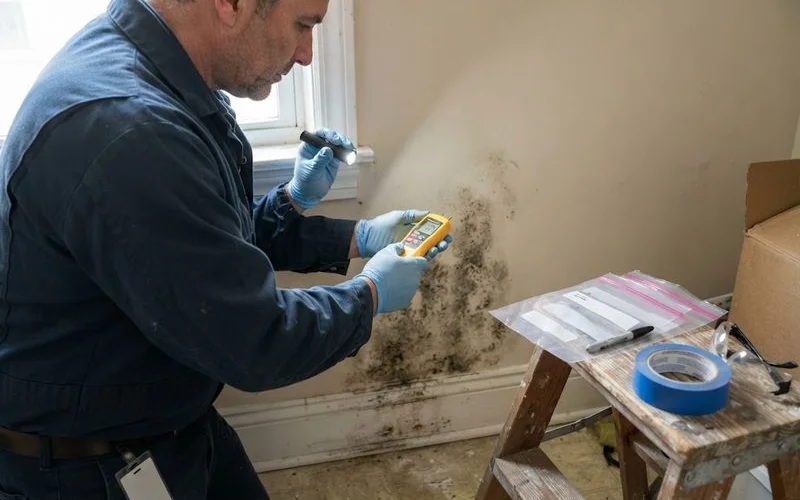
If mould has spread across a visible area larger than roughly a square metre, if it’s growing on porous materials like drywall or carpet padding, or if you can smell a musty odour without an obvious visible source, professional remediation is the safer route. A professional can also test whether mould is present behind walls or under flooring where water pooled but isn’t visible from the surface. Providers in our water damage restoration category typically handle mould remediation alongside the initial cleanup rather than as a separate call.
Who should be extra cautious
People with asthma, existing respiratory conditions, or mould allergies are more likely to notice symptoms at lower levels of exposure than others in the same household. Infants, older adults, and anyone with a compromised immune system are generally considered more sensitive as well. If someone in the home falls into one of these groups, it’s worth being more conservative about handling any mould cleanup yourself and leaning toward professional remediation sooner rather than later.
Testing for mould
Air quality testing for mould exists, but it isn’t always necessary if mould is already visible, the more useful question at that point is how to remove it safely, not confirm it’s there. Testing is more useful when there’s a musty smell without visible mould, since it can help locate a hidden problem behind a wall or under flooring before more extensive damage occurs.
What remediation actually involves
Proper remediation isolates the affected area to prevent spores from spreading, removes and disposes of materials that can’t be salvaged, and dries the space thoroughly before any rebuilding starts. Painting over mould without removing it first doesn’t solve the underlying problem, it typically continues growing underneath and eventually shows through again.
The smell test
A persistent musty odour, even without any visible staining or discoloration, is one of the more reliable early signs that moisture is sitting somewhere it shouldn’t be. Don’t dismiss it just because nothing looks wrong on the surface. Mould frequently grows on the unfinished side of drywall, under flooring, or behind baseboards, well before it becomes visible from the room itself.
Preventing it after the fact
Once an area has been properly dried and, if needed, remediated, keeping humidity in check, especially in a basement, reduces the odds of a recurrence. A dehumidifier and attention to any ongoing drainage issues, discussed in our guide on staying safe during a basement waterproofing project, go a long way toward keeping a previously affected space dry going forward.
Restoration contractors in this directory are scored in part on how thoroughly they document moisture and mould conditions, which our methodology explains. Visit our homepage to compare vetted restoration providers across the GTA.
Mould is a solvable problem when the moisture source is addressed quickly and thoroughly. The risk comes from letting it sit.
FAQ
- How quickly can mould grow after water damage?
- Mould can begin developing within 24 to 48 hours in damp conditions, which is why drying out affected materials quickly after a leak or flood matters so much.
- What symptoms can mould exposure cause?
- Reactions vary by person, and can include respiratory irritation, coughing, or allergy-like symptoms in sensitive individuals. This is general information, not medical advice, and anyone with ongoing symptoms should speak with a doctor.
- Can I clean small amounts of mould myself?
- Small, isolated surface mould on a non-porous surface is sometimes manageable with proper precautions, but mould that has spread through porous materials like drywall or carpet, or covers a large area, is best handled by a professional.
- Does painting over mould get rid of it?
- No. Painting over mould without removing it first just covers the problem, and it will typically continue growing and eventually show through again.
Related on this site
- Browse water damage restoration service providers
- Best water damage restoration service in Greater Toronto Area →
- Does home insurance cover water damage in Ontario?
- Water damage emergency: what to do in the first 24 hours
- Staying safe during a basement waterproofing project
- Renovation hazards in older GTA homes: what to check first
- All guides →