Renovation hazards in older GTA homes: what to check first
By Royce Soon · Updated 2026-08-07
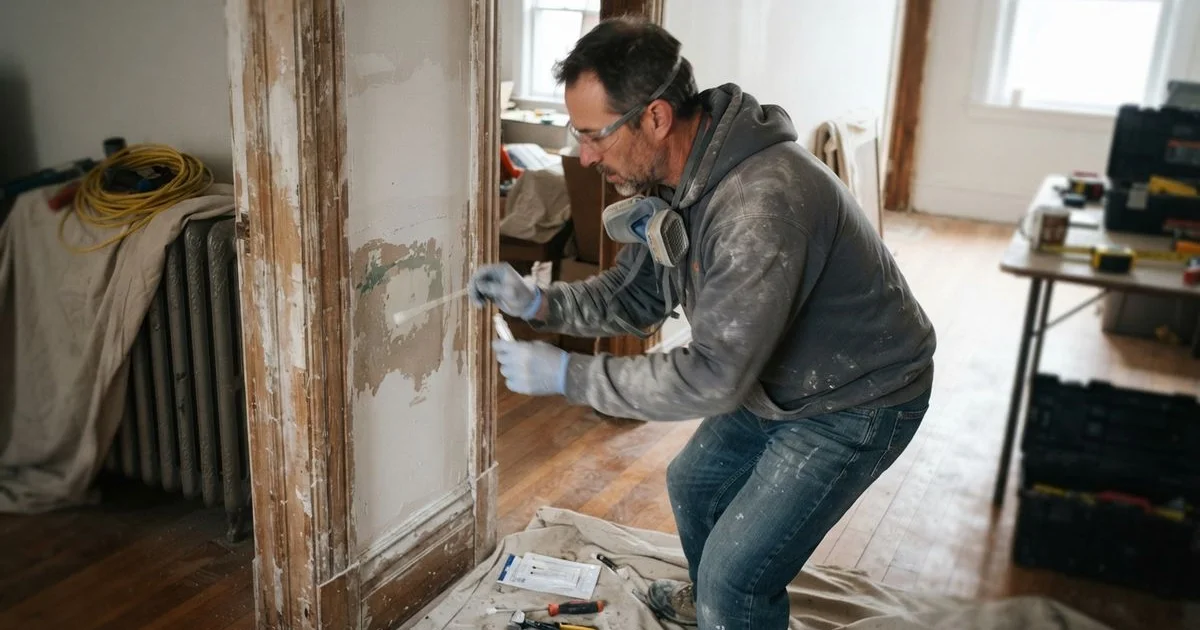
Older housing stock is common across Toronto and much of the GTA, and it comes with hazards that don’t show up until a renovation disturbs them. Knowing what to check for before demolition starts protects both your health and your project timeline. This is general safety information, not a substitute for professional testing and assessment.
Common hazards by home age
| Hazard | Typically found in homes built | What to do |
|---|---|---|
| Asbestos (ceiling texture, pipe wrap, some flooring) | Before the early 1990s | Test before disturbing; use a licensed abatement contractor if found |
| Knob-and-tube wiring | Before the 1950s | Have an electrician assess; many insurers require replacement |
| Lead paint | Before 1990 | Test before sanding or scraping painted surfaces |
| Aging galvanized plumbing | Before the 1960s | Have a plumber assess condition before major renovation |
Asbestos: the most common surprise
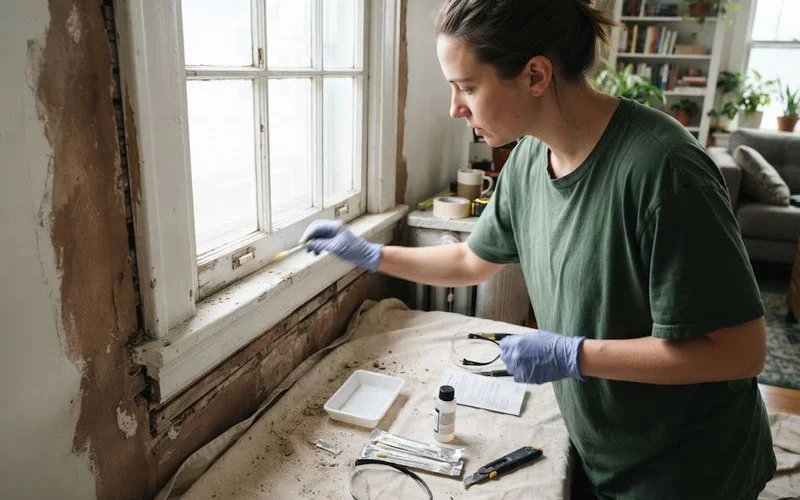
Popcorn ceiling texture, certain older vinyl floor tiles, and pipe insulation are among the materials most likely to contain asbestos in homes built before the early 1990s. It’s not dangerous when left undisturbed, but sanding, scraping, or demolishing these materials without testing first can release fibres into the air, which is a genuine health hazard. Testing is inexpensive relative to the risk, and if asbestos is found, a licensed abatement contractor should handle removal, not a general renovation crew.
Electrical: knob-and-tube wiring
Some GTA homes built before the 1950s still have some original knob-and-tube wiring, an older method that doesn’t meet modern safety standards and is frequently flagged by home insurers, some of whom require it to be replaced or won’t renew a policy until it is. If your home falls into this age range, having an electrician assess the wiring before or during a renovation is worth doing even if nothing seems obviously wrong.
Lead paint
Paint used before 1990 in Canada may contain lead, particularly in older layers beneath newer coats. Sanding or scraping these surfaces without precautions can create lead dust, a known health hazard, especially for children and pregnant women. Testing before starting demolition or paint removal on an older home is a reasonable, low-cost precaution.
Structural surprises
Older framing methods and undersized structural members, common in homes built before modern code updates, sometimes only become apparent once a wall is opened for a renovation. This isn’t usually dangerous on its own, since the home has stood for decades, but it can affect what’s possible during a renovation, such as removing a wall that turns out to be doing more structural work than it appears to from a casual look.
Plumbing behind the walls
Aging galvanized pipe, common in homes built before the 1960s, corrodes from the inside over decades, which can reduce water pressure and eventually lead to leaks. A renovation that opens up walls is a good opportunity to have a plumber assess pipe condition, even if there’s no current visible problem. If the project also involves basement waterproofing, staying safe during that work covers the excavation and underpinning risks specific to it.
Vermiculite insulation
Loose, pebble-like vermiculite insulation, sometimes found in the attics of older GTA homes, can in some cases contain asbestos depending on its source. It looks harmless, a grey-brown, lightweight granular material, which is part of why it’s easy to disturb without a second thought during an attic renovation or insulation upgrade. Treat it the same way as suspected asbestos elsewhere: don’t disturb it before it’s tested.
Timing testing around your renovation schedule
Testing for asbestos and lead takes some lead time, usually a few days for lab results, so build it into your schedule before demolition rather than treating it as a step that can happen the same week work is supposed to start. A contractor experienced with older homes will often flag this timing requirement upfront rather than leaving you to discover it once a start date is already booked.
What to ask your contractor
Ask whether they test for asbestos and lead before starting demolition on any home built before 1990, and whether they coordinate with a licensed abatement contractor if either is found. A contractor experienced with the GTA’s older housing stock should have a clear, direct answer to this, not a vague reassurance. Our methodology explains how contractors in this directory are scored, including on safety practices.
Visit Toronto Renovation Guide to compare vetted renovation contractors experienced with older GTA homes. A short testing step before demolition is one of the cheapest forms of insurance a renovation project can have.
FAQ
- Do all older homes in the GTA have asbestos?
- Not all, but many homes built before the early 1990s contain asbestos in some materials, such as certain ceiling textures, pipe insulation, or vinyl flooring. Testing before disturbing these materials is the only reliable way to know.
- Is it safe to remove popcorn ceiling myself?
- Not without testing first if the home was built before the early 1990s. Disturbing asbestos-containing texture without proper precautions can release fibres into the air, which is a genuine health risk.
- What is knob-and-tube wiring and why does it matter?
- It's an older electrical wiring method found in some homes built before the 1950s. It can pose fire and insurance risks by modern standards, and many insurers require it to be replaced before issuing or renewing a policy.
- Should I get my home tested before any renovation, or only if I suspect a problem?
- If your home was built before the early 1990s and you're planning any renovation that disturbs walls, ceilings, or flooring, testing for asbestos and having wiring assessed is a reasonable precaution regardless of visible signs.