Does home insurance cover water damage in Ontario?
By Royce Soon · Updated 2026-07-17
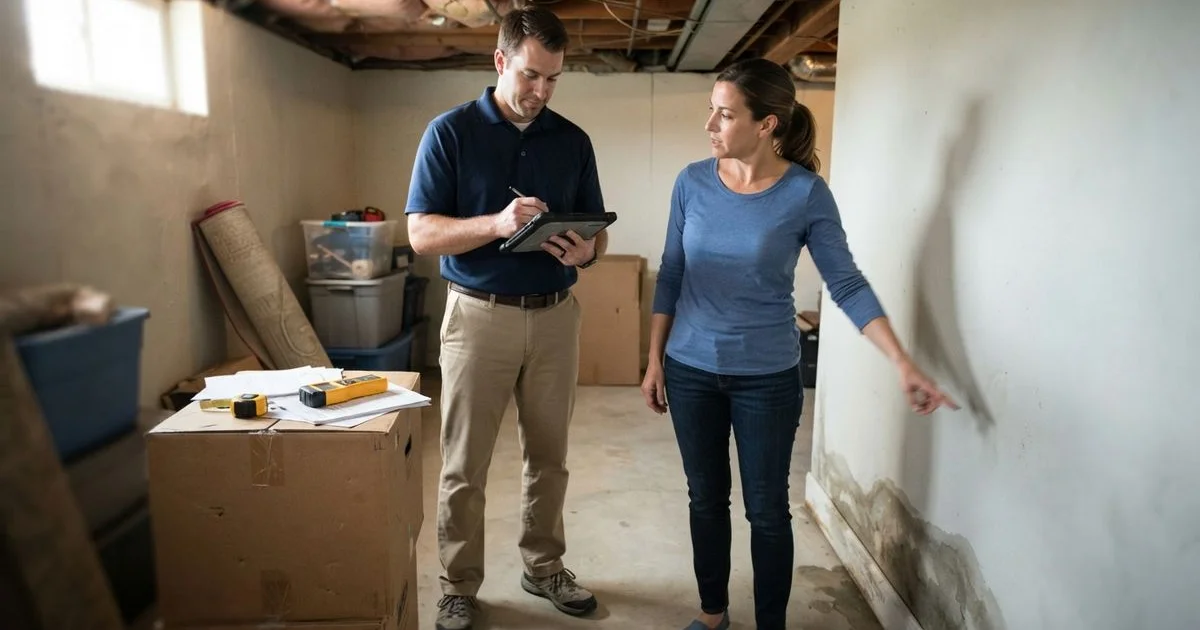
Water damage claims are one of the more confusing corners of home insurance, mostly because coverage depends heavily on how the water got in, not just that it did. This is general information, not insurance or legal advice, and your specific policy wording is what actually governs your claim.
What’s typically covered
| Cause of water damage | Typically covered? |
|---|---|
| Burst pipe or sudden plumbing failure | Usually yes |
| Appliance failure (washing machine, dishwasher) | Usually yes |
| Roof leak from a covered peril (storm damage) | Usually yes |
| Sewer or drain backup | Only with a specific endorsement |
| Overland flooding (rising water from outside) | Only with a specific endorsement |
| Gradual seepage or long-term leaks | Usually excluded |
| Damage from deferred maintenance | Usually excluded |
The pattern that runs through most policies: sudden and accidental events are more likely to be covered, while gradual or preventable damage is more likely to be excluded.
Endorsements worth asking about
Standard policies in Ontario often exclude sewer backup and overland flood coverage by default, both of which are relevant given how many GTA basements have experienced flooding after heavy storms. These are usually available as add-ons rather than automatic inclusions, so it’s worth a direct conversation with your insurer rather than assuming your policy already includes them.
How claims typically get assessed
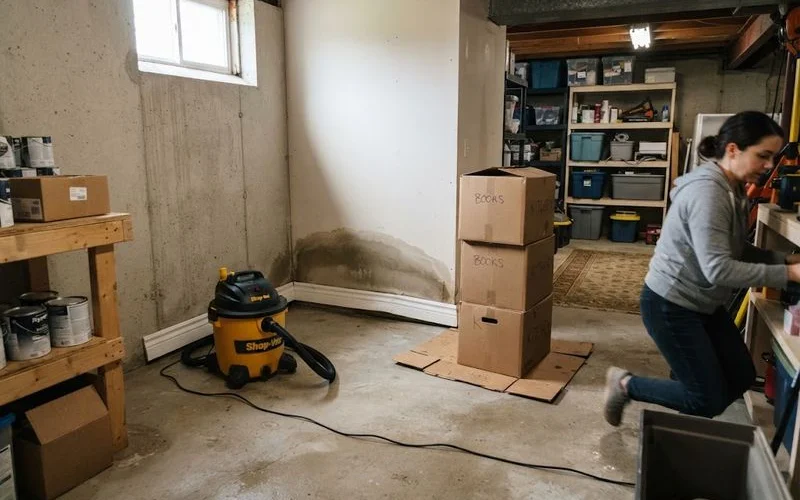
An adjuster will generally want to determine the cause of the water intrusion before confirming coverage, since that cause is what determines whether the loss falls under your policy or an excluded category. This is one reason documenting the source, a visibly burst supply line versus a slow, unexplained dampness, matters so much. If the cause isn’t obvious, an adjuster may ask for a plumber’s assessment to establish what happened before the claim moves forward.
What a deductible means for a smaller loss
Every policy has a deductible, and for a smaller water event, minor damage to a section of flooring or drywall, the repair cost may land close to or below that deductible amount. In that case, filing a claim may not be worthwhile, since it could still affect future premiums without resulting in a meaningful payout. Get a repair estimate first before deciding whether filing makes financial sense for a smaller loss.
What to do before a claim
Photograph and video the damage before any cleanup starts, including standing water, damaged materials, and the source if it’s visible. Keep any damaged items that can be safely stored, since an adjuster may want to see them. Contact your insurer promptly, many policies have notification windows, and ask whether they require an approved restoration company or allow you to choose your own. For the safety and containment steps that come before any of this paperwork, see what to do in the first 24 hours of a water damage emergency.
Choosing a restoration company
Look for a company that documents moisture readings throughout the drying process and provides a written scope before starting mould remediation or reconstruction work. A restoration company connected to our water damage restoration category should be able to work directly with your insurer’s claims process, which often speeds up reimbursement compared to paying out of pocket and submitting receipts afterward.
Keeping records that actually help a claim
Beyond photos of the damage itself, keep records of any prior maintenance related to the affected area, a plumber’s invoice for work on the pipe that later burst, for instance. This kind of documentation can help demonstrate the event was sudden and accidental rather than the result of a long-known, unaddressed issue, which is often the exact distinction an adjuster is trying to establish.
Reducing future risk
A backwater valve, a one-way device that blocks sewage from reversing into your home during a municipal sewer overflow, and a working sump pump with battery backup are two of the more effective preventive measures against the two most common sources of basement water damage in the GTA. Ask a waterproofing contractor whether your home already has either installed.
See our methodology for how restoration and waterproofing contractors are scored in this directory. And visit our homepage to compare vetted contractors across the GTA.
Insurance coverage for water damage is rarely all-or-nothing. Knowing which endorsements your policy already includes, before an event happens, is the difference between a straightforward claim and an unpleasant surprise.
FAQ
- Is basement flooding always covered by home insurance?
- Not always. Sudden, accidental flooding from a burst pipe is often covered, but damage from gradual seepage, overland flooding, or lack of maintenance is frequently excluded unless you've added specific endorsements.
- What is sewer backup coverage and do I need it?
- It's an optional add-on that covers damage from sewage backing up through drains, which standard policies often exclude. Given how common basement flooding is in older GTA neighbourhoods, it's worth asking your insurer about specifically.
- Should I call my insurer or a restoration company first?
- Call your insurer as soon as it's safe to do so, since many policies require prompt notification, and ask whether they have a preferred restoration process before major cleanup work begins.
- Does insurance cover mould that develops after a water event?
- It depends on the policy and how quickly the water damage was addressed. Mould from a sudden covered event is often included, while mould linked to long-term neglect usually isn't.
Related on this site
- Browse water damage restoration service providers
- Best water damage restoration service in Greater Toronto Area →
- Water damage emergency: what to do in the first 24 hours
- Mould after water damage: health risks and when to call a pro
- What bathroom renovation costs in the Greater Toronto Area
- What kitchen renovation costs in the Greater Toronto Area
- All guides →